
Thank you for Subscribing to Hospitality Business Review Weekly Brief

Blue Star Group
Kelly Nordstrom, Catering and Events Manager
Creating Memorable Experiences Through Catering and Events
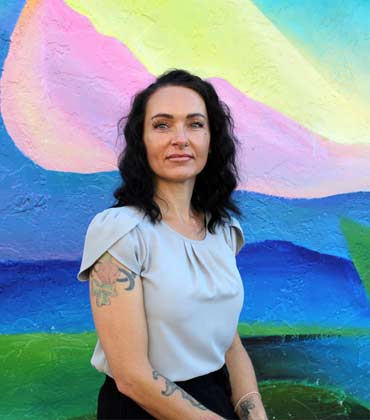
Kelly Nordstrom
Solving Guest Needs without Compromising the Experience
My experiences in catering and events have taught me that memorable experiences are rarely defined by one grand gesture. They are usually created through dozens of small gestures and details. Is the room ready when the guests arrive? Did the team communicate the dietary restrictions so the right meal goes to the right guest? Are the courses coming out at the right time?
These may seem like small things, and the guest may never know they happened, but they can have a huge impact on the success of an event if they aren’t done correctly. A lot of work goes into making an event feel easy for the guest. They should be able to enjoy the event without having to think about everything that had to happen to make it work.
Balancing guest expectations with the operation isn’t always easy. Giving the guest what they want isn’t always about simply saying yes. Sometimes you have to ask a few more questions and figure out what is most important to them.
I remember working with a couple who really wanted a photo booth at their event. Between the dance floor and the buffet, there just wasn’t room for one. I didn’t want just to tell them no, so I asked them what they were really looking for. They wanted their friends and family to have something to take home and a way to capture some of the night.
We set up a small corner with a Polaroid camera and a basket of props instead. By the end of the night, their guest book was filled with photos and messages from their guests. It ended up being a much simpler setup, but it still gave them what they wanted without taking up valuable space in the room.
Making Personalization Work in Event Planning
Guest preferences are changing, too. Guests are looking for a more stylized and customized feel. They want events that reflect who they are, whether that is through the décor, food, or interactive elements. People want the event to feel personal to them.
We are also seeing more awareness around dietary needs and restrictions. Whether it is gluten-free, dairy-free, vegetarian, or other dietary concerns, guests expect us to be prepared for those needs. Flexibility is important, but so is communication. The team needs to know what is being requested and have a plan for executing it correctly.
Building Adaptability into Event Leadership
Events and catering have also shaped my approach to leadership. They have taught me to prepare as much as possible, but also to be adaptable when things don’t go as planned.
I take the same approach with my team. Train and prepare for everything you can. Then be ready to adjust when you need to.
Giving the guest what they want isn’t always about simply saying yes. Sometimes you have to ask a few more questions and figure out what is most important to them.
You can have the most detailed event plan in place, and something can still change at the last minute. A guest may change their timeline, a meal may need to be adjusted, or something with the room setup may not work the way you expected. You can’t prepare for every possible situation. You can prepare your team to handle those situations.
That has probably been one of the biggest lessons events have taught me as a leader. Preparation gives your team a foundation, but adaptability is what allows you to keep moving when things change.
Turning Client Relationships into Lasting Opportunities
For someone looking to build a career in catering and events, my biggest piece of advice is to build relationships, not just a client list.
Take the time to get to know your clients. Understand what is important to them and build trust. People remember how you made them feel throughout the process. A strong relationship can lead to repeat business, referrals, and opportunities you may not have expected.
Combining Operational Knowledge with Adaptability
I also think it is important to learn as much of the operation as you can. Understand what happens in the kitchen. Understand what your service team needs. Learn the financial side of events. Know what goes into setting up and breaking down a room. The more you understand, the better you can serve the guest and the better decisions you can make.
Most importantly, be willing to learn and be willing to adapt. Events will teach you something new every time. Prepare as much as you can, but be adaptable when you need to.
The articles from these contributors are based on their personal expertise and viewpoints, and do not necessarily reflect the opinions of their employers or affiliated organizations.
